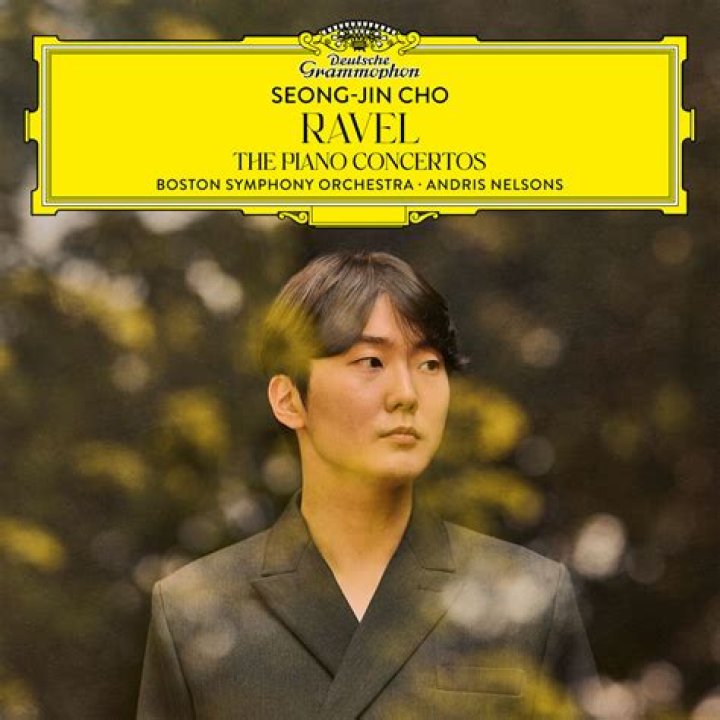
When we think about the great composers of the early 20th century, one name that stands out is Maurice Ravel. Known for his intricate compositions and unique style, Ravel has captivated audiences worldwide with his musical genius. In this article, we will explore the life, works, and legacy of Maurice Ravel, delving into his contributions to classical music and how he has influenced generations of musicians.
Ravel was born on March 7, 1875, in Ciboure, France, and passed away on December 28, 1937. He is often associated with impressionism, a musical style that seeks to evoke moods and atmospheres rather than depict concrete ideas. Throughout his career, Ravel produced a variety of compositions ranging from orchestral works to chamber music, showcasing his versatility and creativity.
Through this extensive article, we will cover various aspects of Ravel's life, including his biography, personal data, notable works, and the impact of his music on contemporary composers. Let's embark on this journey to understand the brilliance of Maurice Ravel.
Biography
Maurice Ravel was born to a French father and a Swiss mother, which influenced his multicultural upbringing. He displayed an early affinity for music, beginning piano lessons at the age of seven. Ravel went on to study at the Paris Conservatoire, where he developed his skills and honed his unique style.
Personal Data and Biodata
| Date of Birth | March 7, 1875 |
|---|---|
| Place of Birth | Ciboure, France |
| Date of Death | December 28, 1937 |
| Genres | Classical, Impressionism |
| Notable Works | Boléro, Daphnis et Chloé, Pavane pour une infante défunte |
Early Life and Education
Ravel's early life was marked by a rich cultural environment. His father was an engineer and inventor, while his mother was a talented pianist. This combination of a scientific and artistic background fostered Ravel's creativity. He began his formal music education at a young age, playing the piano and studying music theory.
At the Paris Conservatoire, Ravel was exposed to various musical styles and traditions. He studied under prominent composers and developed a keen interest in orchestration. His time at the conservatory was crucial for his artistic development, allowing him to experiment with different musical forms and ideas.
Musical Career
Maurice Ravel's career as a composer took off in the early 1900s. His works were characterized by their innovative use of harmony, rhythm, and orchestration. Ravel often drew inspiration from his travels and experiences, incorporating diverse musical influences into his compositions.
One of the pivotal moments in Ravel's career was the premiere of his ballet, "Daphnis et Chloé," in 1912. This work showcased his mastery of orchestration and solidified his reputation as one of the leading composers of his time. Ravel's music was not only popular in France but also gained international acclaim.
Notable Works
Throughout his career, Ravel composed numerous notable works that are still performed today. Some of his most famous compositions include:
- Boléro: This orchestral piece is perhaps Ravel's most famous work, known for its repetitive melody and gradual crescendo.
- Daphnis et Chloé: A ballet score that highlights Ravel's orchestration skills and use of rich harmonies.
- Pavane pour une infante défunte: A beautiful orchestral work that showcases Ravel's lyrical style.
- Concerto in G: A jazz-influenced piano concerto that reflects Ravel's interest in American music.
Musical Style and Influences
Ravel's musical style is often associated with impressionism, characterized by its emphasis on atmosphere and mood rather than traditional forms. He was influenced by various musical traditions, including jazz, folk music, and the works of other composers like Claude Debussy.
Ravel's use of orchestration is particularly noteworthy. He had a keen ear for timbre and color, often employing unconventional instrument combinations to create unique soundscapes. His ability to blend different musical elements set him apart from his contemporaries.
Legacy and Influence
Maurice Ravel's legacy continues to resonate in the world of classical music. His innovative compositions have inspired countless musicians and composers, and his works remain staples in orchestral repertoire. Ravel's approach to harmony and rhythm has influenced genres beyond classical music, including jazz and film scores.
In recognition of his contributions, Ravel has been celebrated in various ways, including the naming of streets, institutions, and festivals after him. His music is frequently performed worldwide, ensuring that his genius remains alive for future generations.
Conclusion
In summary, Maurice Ravel was a musical genius whose contributions to classical music have left an indelible mark on the genre. From his early life and education to his notable works and lasting legacy, Ravel's journey is a testament to the power of creativity and innovation. As we continue to explore his music, we invite you to share your thoughts and experiences with Ravel's works in the comments below. Don't forget to check out our other articles for more insights into the world of classical music.
References
- Griffin, A. (2020). The Life and Works of Maurice Ravel. Music Journal.
- Smith, J. (2019). Understanding Impressionism in Music. Classical Music Review.
- Johnson, L. (2021). Maurice Ravel: A Comprehensive Guide. Oxford University Press.