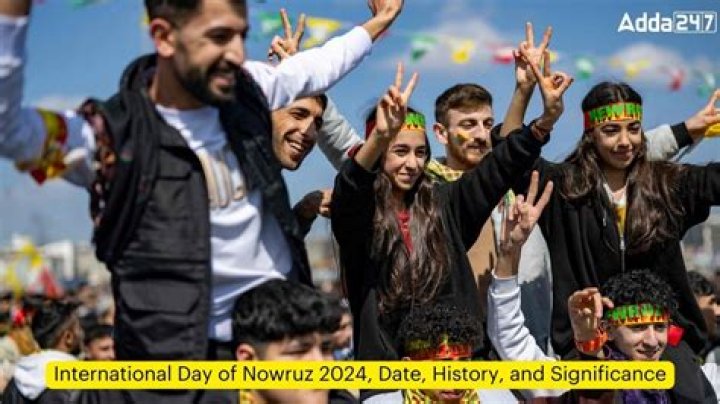
Nowruz, the Persian New Year, is a celebration that has transcended borders and cultures, symbolizing renewal and the arrival of spring. This ancient festival, with its roots in Zoroastrianism, has been observed for over 3,000 years, marking the first day of spring and the beginning of the year in the Iranian calendar. The celebration of Nowruz not only signifies the rejuvenation of nature but also serves as a reminder of the importance of family, community, and cultural heritage.
In this article, we will delve into the history, customs, and significance of Nowruz, also known as آلب ناوروز in various cultures. We will explore how this vibrant festival brings people together, fosters a sense of belonging, and encourages the preservation of traditions. By understanding the essence of Nowruz, we can appreciate its role in promoting peace, harmony, and goodwill among diverse societies.
Join us as we embark on a journey through the rich tapestry of Nowruz celebrations, uncovering the stories behind the rituals, the symbols that adorn the Haft-Seen table, and the universal values that this festival represents. Whether you are familiar with Nowruz or discovering it for the first time, this comprehensive guide will provide valuable insights into this remarkable cultural phenomenon.
1. The History of Nowruz
Nowruz, which translates to "new day" in Persian, has a rich history that dates back to ancient Persia. It is believed to have originated with the Zoroastrians, who celebrated the vernal equinox as a time of renewal and rebirth. Historical records suggest that Nowruz was celebrated as early as 2,500 years ago, and it has been recognized as a public holiday in Iran for centuries.
Throughout history, Nowruz has been embraced by various cultures and civilizations, including the Persian Empire, Turkic peoples, and other communities in Central Asia. The festival was officially recognized by the United Nations in 2010, emphasizing its cultural significance and the value of traditions that promote peace and harmony.
2. The Significance of Nowruz
Nowruz is significant for several reasons:
- Renewal and Rebirth: Nowruz symbolizes the arrival of spring and the renewal of life, reflecting nature's cycles.
- Family and Community: The festival emphasizes the importance of family gatherings and community celebrations.
- Cultural Heritage: Nowruz serves as a reminder of the rich history and traditions that shape cultural identities.
3. Nowruz Traditions and Customs
The celebration of Nowruz is replete with various traditions and customs that vary across cultures. Some of the most common practices include:
- Spring Cleaning: Families engage in thorough cleaning of their homes to symbolize purification and preparation for the new year.
- Visiting Relatives: It is customary to visit family and friends, exchanging gifts and well-wishes for the new year.
- Fire Jumping: A tradition that involves jumping over bonfires to symbolize the shedding of the past year's misfortunes.
3.1 The Role of Music and Dance
Music and dance are integral parts of Nowruz celebrations. Traditional songs and dances bring communities together, fostering a sense of joy and unity. These performances often reflect the cultural diversity of the regions where Nowruz is celebrated.
4. The Haft-Seen Table
One of the most iconic symbols of Nowruz is the Haft-Seen table, which is adorned with seven items that begin with the Persian letter 'S'. Each item represents a different aspect of life and renewal. Common items include:
- Sabzeh: Sprouted wheat or lentils, symbolizing rebirth.
- Samanu: A sweet pudding made from wheat germ, representing power and strength.
- Senjed: Dried fruit from the oleaster tree, symbolizing love.
- Seer: Garlic, representing medicine and health.
- Seeb: Apples, symbolizing beauty and health.
- Somāq: Sumac, representing the sunrise and patience.
- Serkeh: Vinegar, symbolizing wisdom and patience.
5. Nowruz Celebrations Around the World
Nowruz is celebrated in many countries, including Iran, Afghanistan, Azerbaijan, and parts of Central Asia. Each region has its unique customs and variations of the festival. For instance:
- In Iran: Nowruz is a national holiday, with grand celebrations that last for two weeks.
- In Afghanistan: Families gather for meals and exchange gifts, with traditional music and dance.
- In Azerbaijan: The festival includes bonfires, music, and various cultural performances.
6. The Cultural Importance of Nowruz
Nowruz plays a vital role in preserving cultural heritage and fostering a sense of identity among communities. It encourages individuals to reflect on their roots, traditions, and values, reinforcing the connections between generations. The festival's emphasis on renewal and harmony resonates with people across cultures, promoting peace and understanding.
7. Conclusion
In conclusion, Nowruz, or آلب ناوروز, is more than just a celebration of the new year; it is a powerful symbol of renewal, community, and cultural heritage. As we embrace the spirit of Nowruz, we are reminded of the importance of family, tradition, and the shared values that unite us all. We encourage you to join in the celebrations, learn more about this remarkable festival, and share your experiences with others.
8. References
For further reading and information, we recommend visiting the following reputable sources: