الپ ناوروز is a vibrant and culturally rich celebration that marks the arrival of spring and the beginning of a new year in the Persian calendar. This festival, steeped in history and tradition, is observed by millions around the world, particularly in Iran and among Persian-speaking communities. Understanding the significance of الپ ناوروز is essential for appreciating its customs, rituals, and the joy it brings to families and communities.
The name "الپ ناوروز" translates to "New Day," reflecting the festival's essence of renewal and rebirth. As the days grow longer and warmer, families come together to celebrate with various customs that have been passed down through generations. This article will explore the history, traditions, and modern-day celebrations of الپ ناوروز, providing a comprehensive guide to this joyous occasion.
In this article, we will delve into the origins of الپ ناوروز, its cultural significance, the traditional practices associated with the celebration, and how it is observed in different regions. Whether you are familiar with الپ ناوروز or learning about it for the first time, this guide aims to provide valuable insights and inspire a deeper appreciation for this beautiful festival.
1. History of الپ ناوروز
الپ ناوروز has ancient roots, dating back over 3,000 years. It is believed to have originated from Zoroastrianism, the ancient pre-Islamic religion of the Persian Empire. The festival symbolizes the victory of light over darkness and the arrival of spring, which brings new life and growth.
Historically, الپ ناوروز was celebrated by Persian kings, who would hold grand festivities to mark the new year. The festival is mentioned in various historical texts, showcasing its importance in Persian culture. Over time, الپ ناوروز has evolved, integrating elements from various cultures and religions, making it a truly multicultural celebration.
2. Cultural Significance of الپ ناوروز
الپ ناوروز is not just a celebration of the new year; it is a time for reflection, renewal, and family unity. It emphasizes the importance of nature and the cyclical patterns of life. The festival promotes values such as kindness, generosity, and gratitude, encouraging individuals to start the year with positive intentions.
During الپ ناوروز, people often engage in acts of charity and hospitality, inviting friends and family to their homes. This practice fosters a sense of community and strengthens social bonds, making الپ ناوروز a vital aspect of Persian identity.
3. Traditions Associated with الپ ناوروز
There are numerous traditional practices associated with الپ ناوروز, each carrying its own significance. Some of the most notable traditions include:
- Cleaning and decorating homes in preparation for the new year (Khaneh Tekani).
- Wearing new clothes to symbolize a fresh start.
- Visiting family and friends to exchange gifts and good wishes.
- Performing rituals to honor ancestors and deities.
Celebratory Activities
Celebratory activities during الپ ناوروز often include music, dancing, and various forms of entertainment. Families may gather to share stories, play games, and enjoy each other's company, creating lasting memories that are cherished for years to come.
4. The Haft-Seen Table
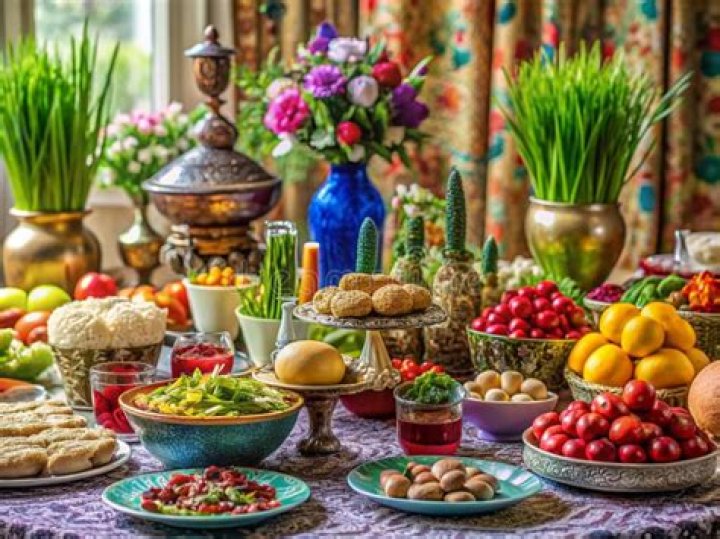
One of the most iconic elements of الپ ناوروز is the Haft-Seen table, a beautifully arranged display of seven symbolic items that start with the Persian letter "S." Each item represents a different hope or wish for the new year. The items typically include:
- Sabzeh (sprouted wheat or lentils) - symbolizing rebirth
- Samanu (sweet pudding) - representing power and strength
- Senjed (dried fruit) - symbolizing love
- Seer (garlic) - representing medicine and health
- Seeb (apple) - symbolizing beauty and health
- Somaq (sumac) - representing the sunrise and the victory of good over evil
- Sirkeh (vinegar) - representing patience and wisdom
In addition to the seven "S" items, families may include other items such as coins for prosperity, painted eggs for fertility, and goldfish for life and happiness.
5. Celebrations Around the World
While الپ ناوروز is primarily celebrated in Iran, it is also observed by Persian communities around the world. In countries such as Afghanistan, Azerbaijan, and Tajikistan, the festival is marked with similar customs, albeit with some regional variations. In recent years, الپ ناوروز has gained recognition in countries with significant Persian populations, leading to public celebrations and events showcasing the culture.
6. Traditional Foods of الپ ناوروز
Food plays a central role in الپ ناوروز celebrations. Families prepare a variety of traditional dishes to share with loved ones. Some popular foods include:
- Sabzi Polo (herbed rice) served with fish
- Reshteh Polo (rice with noodles) for prosperity
- Dolmeh (stuffed grape leaves)
- Sweets such as Baklava and KooKoo (herbed frittata)
These dishes not only represent the flavors of Persian cuisine but also carry symbolic meanings related to the new year.
7. Modern Observations of الپ ناوروز
In today's globalized world, الپ ناوروز has adapted to modern times while retaining its core values. Social media platforms have allowed people to share their celebrations, creating a sense of connection among those who observe the festival, regardless of their location. Many communities organize events and festivals to celebrate الپ ناوروز, showcasing traditional music, dance, and food.
8. Conclusion
الپ ناوروز is a beautiful celebration that embodies the spirit of renewal, unity, and joy. As we have explored, its rich history, cultural significance, and vibrant traditions make it a unique festival that resonates with people of all ages. Whether you are participating in the festivities or learning about them for the first time, الپ ناوروز offers a wonderful opportunity to embrace the values of love, family, and hope.
We invite you to share your thoughts on الپ ناوروز in the comments below, and if you enjoyed this article, please consider sharing it with others. Explore more articles on our site to learn about different cultures and celebrations around the world!
Thank you for reading, and we look forward to welcoming you back to our website for more enriching content!
```